Sony FX5 ND Filter Guide: The Best Options for Every Budget and Rig
The Sony FX5 has no internal ND and a base ISO of 800, so daylight shooting needs serious external ND. Here are the filters worth buying for it.

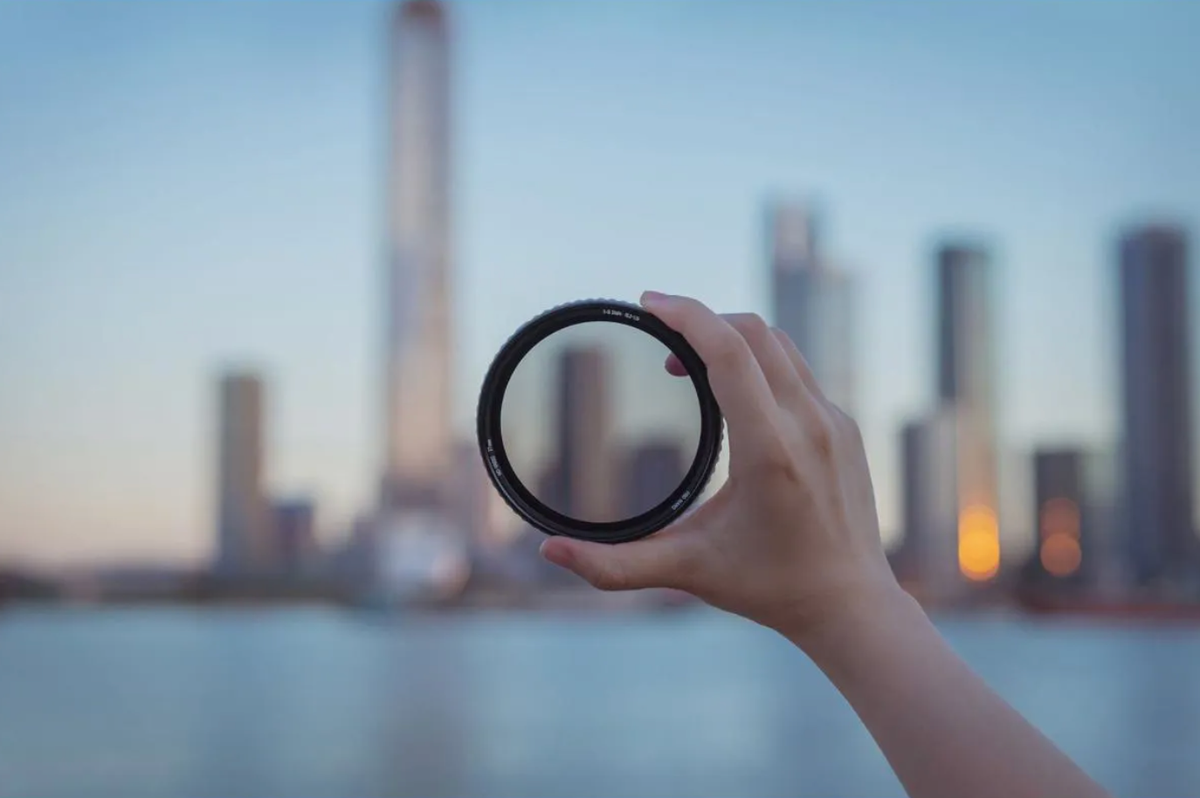
Sony’s FX5 skips internal ND filters, and its lowest base ISO is 800. On a sunny day, you’ll need serious external ND to shoot wide open at a 180-degree shutter.
That makes ND one of the first accessories to budget for with this camera. Here’s how much ND the FX5 actually needs, and the filters worth buying for it, from budget variable NDs to matte box systems.
Why the FX5 Needs More ND Than Most Cameras
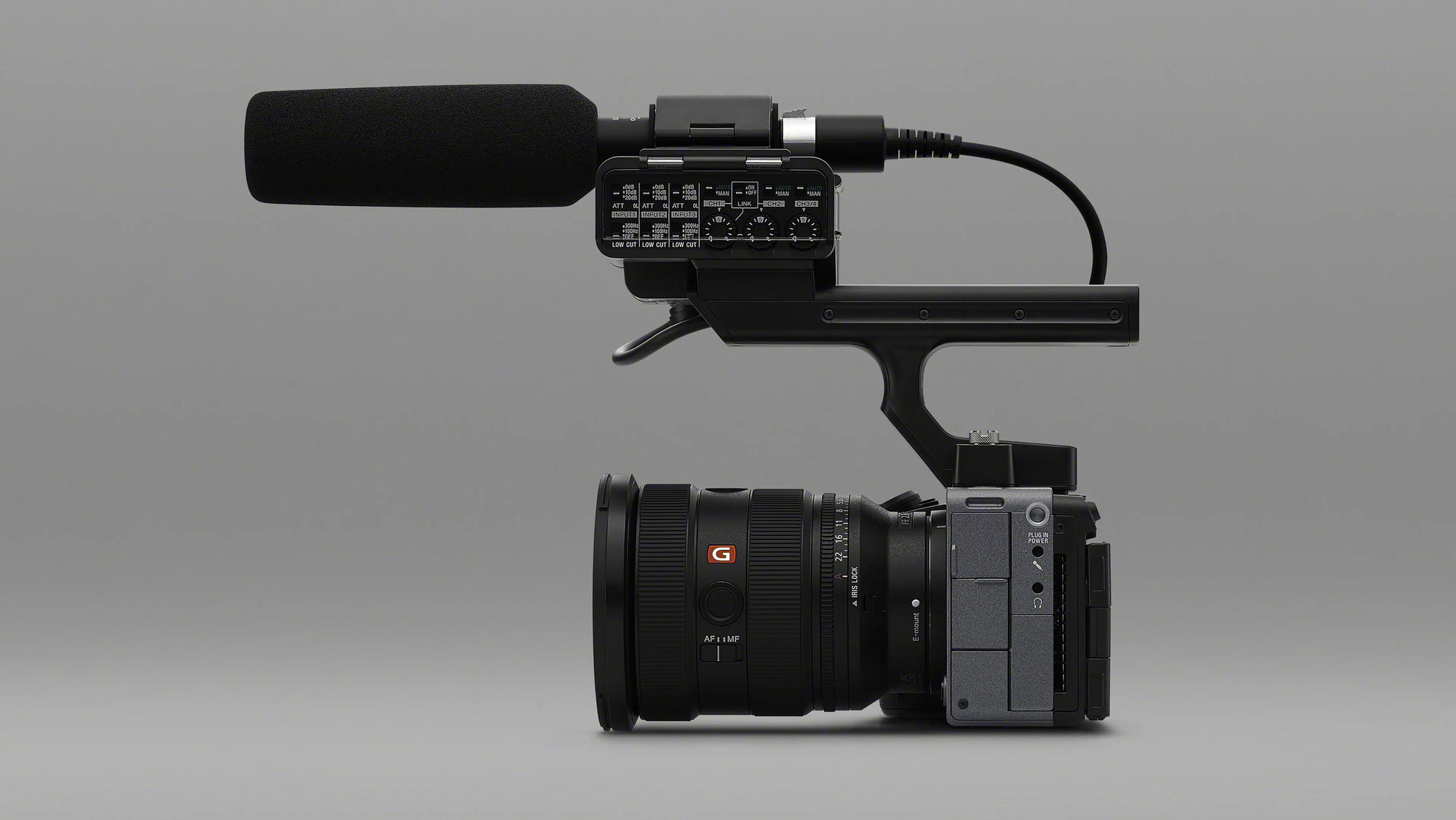
The FX5’s triple base ISO (800, 4,000, and 12,800) is a big part of its low-light appeal. The tradeoff is in daylight, where ISO 800 lets in three more stops of light than ISO 100.
Using the Sunny 16 rule at 24 fps and a 1/48 shutter, ISO 800 needs about 5 stops of ND at f/11. At f/2.8 that rises to about 9 stops, and at f/1.4 it’s about 11.
Those numbers come from How Many Stops of ND Do You Need for Video?, which has a full table by aperture and ISO. The short version is that a typical 1-to-5-stop variable ND won’t get the FX5 to a wide aperture in full sun.
Pick Your Filter Size First
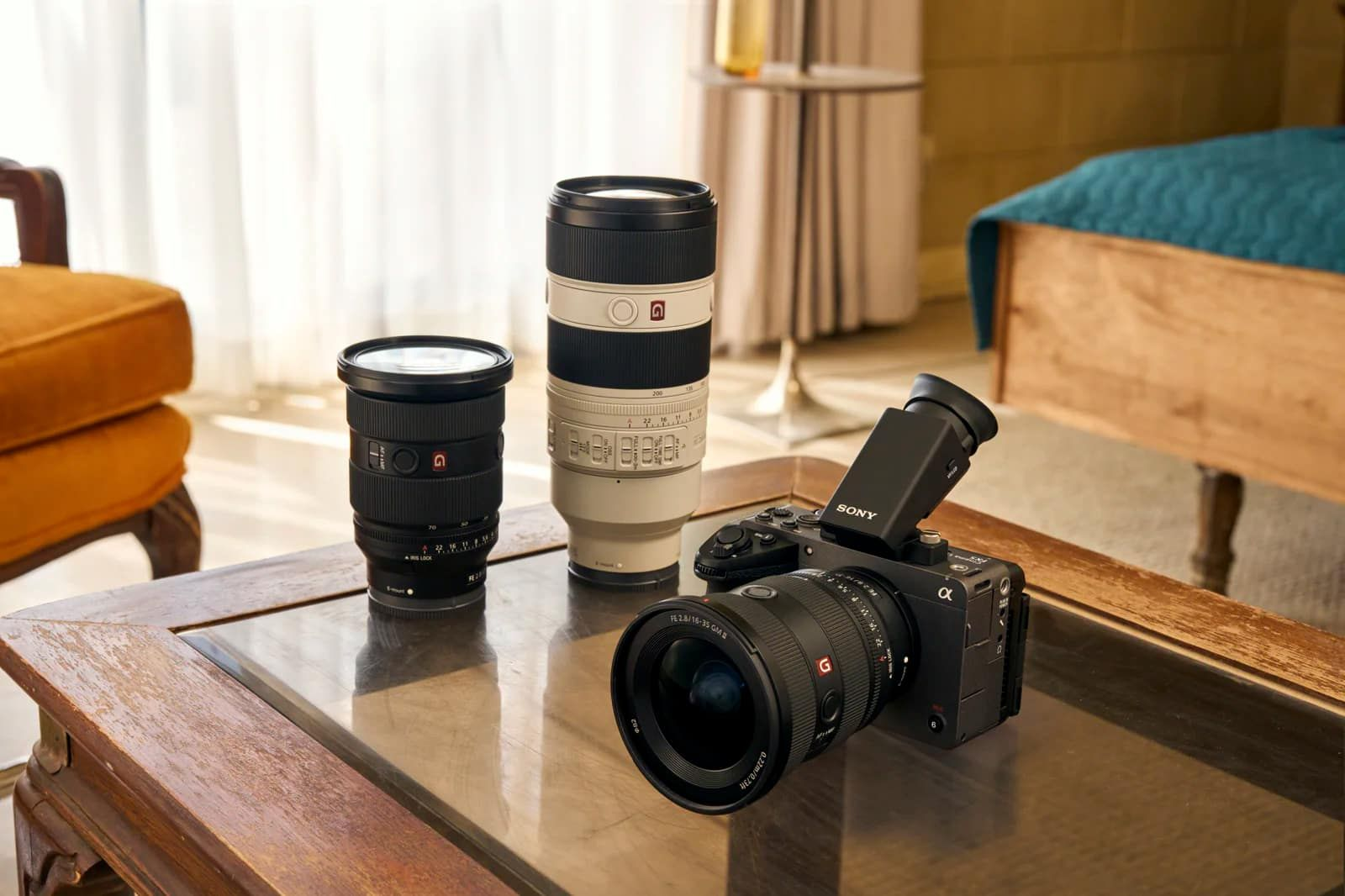
Most FX5 shooters will use Sony E-mount glass, and thread sizes vary. The FE 24-70mm f/2.8 GM II and FE 16-35mm f/2.8 GM II take 82mm filters, while the FE 70-200mm f/2.8 GM II takes 77mm.
The usual fix is to buy one 82mm filter and add step-up rings for smaller lenses. For lens picks by budget, see Sony FX5 Lens Guide: The Best Glass for Every Budget.
Best Overall: NiSi SWIFT True Color VND Kit (1–9 Stops)
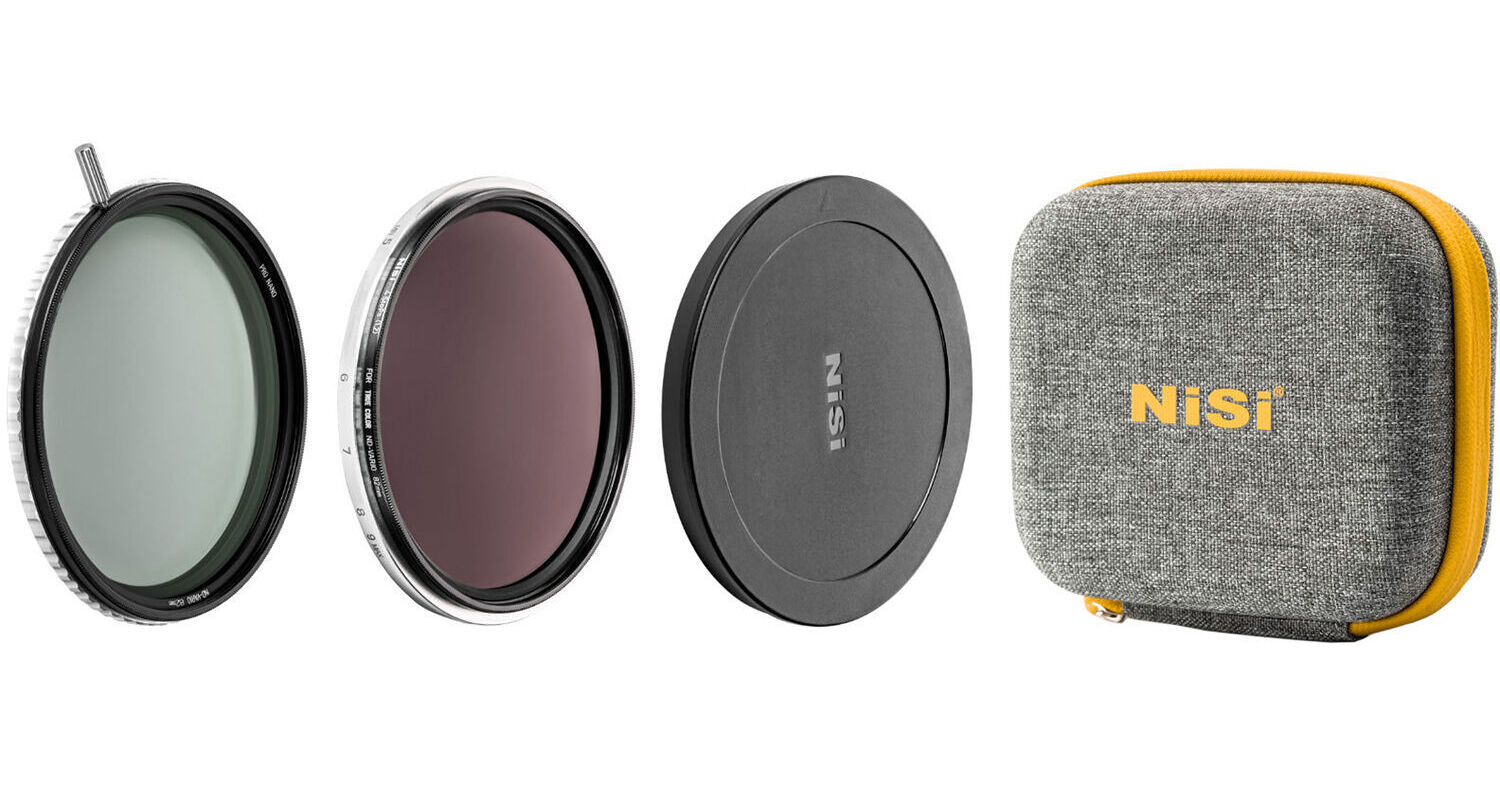
NiSi’s SWIFT kit covers the full 1-to-9-stop range the FX5 needs at f/2.8 in daylight. It pairs a 1-to-5-stop variable ND with an add-on that extends the range to 9 stops.
The True Color coating is designed to keep the color cast low across the range. The kit lists at $309 in 77mm on NiSi USA’s website.
Best for Stopped-Down Shooting: NiSi True Color VND (1–5 Stops)
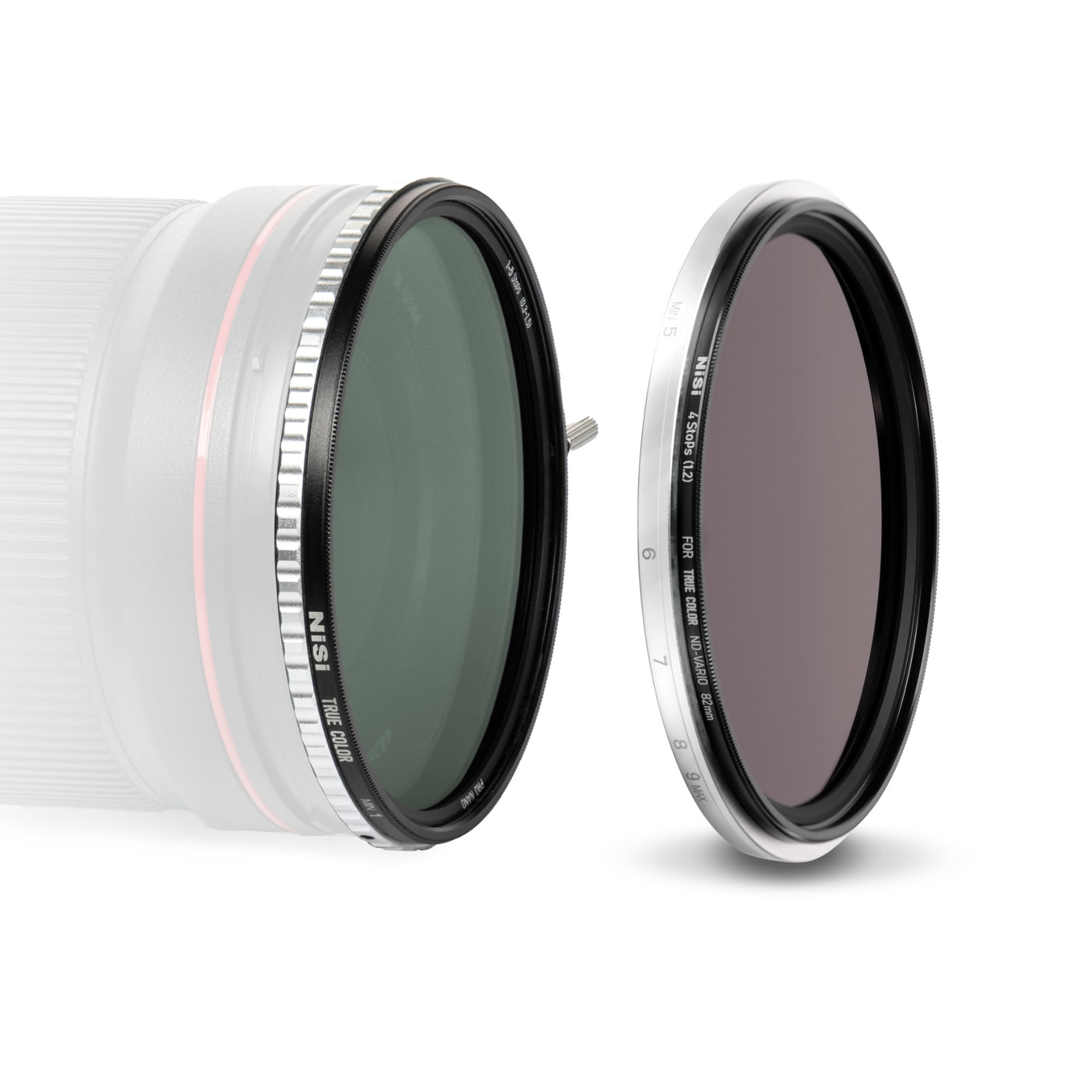
If you mostly shoot around f/8 or work in overcast light, a 1-to-5-stop VND covers you. NiSi’s True Color VND lists at $225 in 77mm.
For a few dollars more, the NiSi True Color VND/PL adds a polarizer at $229 in 77mm. Neither one reaches the 9 stops needed at f/2.8 in direct sun.
Premium Screw-In: PolarPro Peter McKinnon VND Edition II
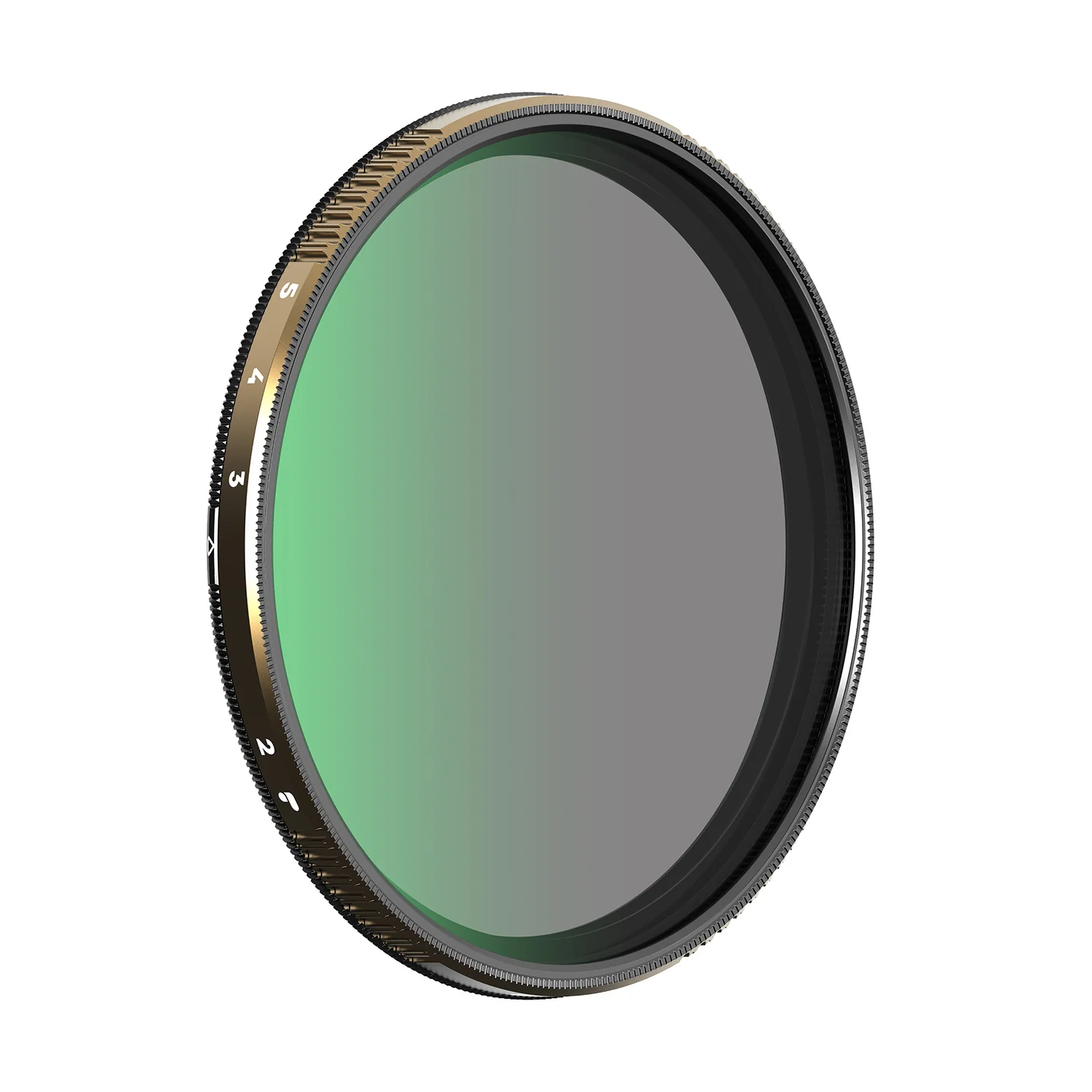
PolarPro sells the Edition II as two separate filters, one for 2 to 5 stops and one for 6 to 9 stops. Splitting the range lets each filter stay sharper and more even than a single filter stretched across nine stops.
TechRadar’s review called it pretty much flawless, noting a slight warm cast and a high price. Most sizes run about $250 each, and exact pricing is available on PolarPro’s website.
Budget Pick: K&F Concept Nano-Xcel ND2–ND400
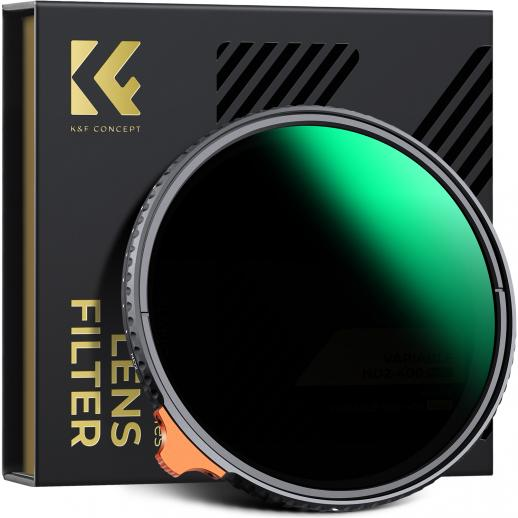
K&F Concept’s Nano-Xcel covers roughly 1 to 9 stops in a single filter for a fraction of what the premium brands charge. It’s a reasonable starting point if you’re putting most of your budget into the camera and lenses.
Budget VNDs can show the X-pattern artifact at the top of their range, so test it at full strength before a shoot. Exact pricing is available on K&F Concept’s website.
For Rigged Builds: Tilta Mirage VND Matte Box

If your FX5 is in a cage with rods, a clamp-on matte box with built-in VND is the quickest way to change lenses. The Tilta Mirage’s variable ND module runs from ND 0.3 to ND 2.7 (1 to 9 stops) with hard stops at both ends, and it clamps onto lenses with a 95mm front.
Because it uses a clamp instead of threads, you don’t need step-up rings. Tilta announced the VND kit at $369 and a motorized version at $599, and exact pricing is available on Tilta’s website.
For cage options, see The Best Cages and Rigs for Sony’s New FX5.
For the Cleanest Color: Fixed 4x5.65 ND Glass
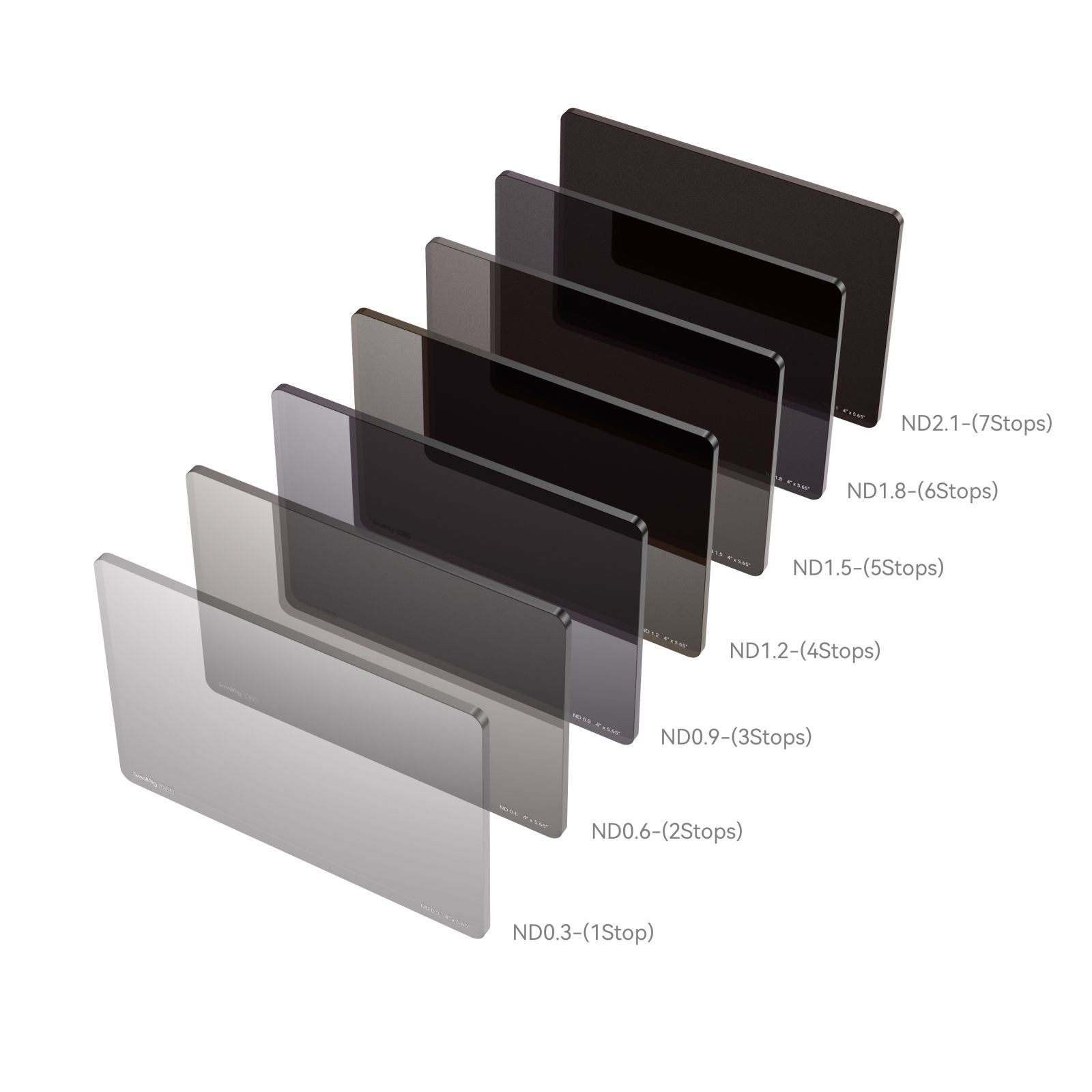
Fixed NDs in a matte box still give the most neutral color, because there’s no crossed polarizer like a VND uses. Tiffen’s 4x5.65 water white ND line and similar sets from NiSi and Schneider are the standard here.
A 0.9 (3-stop) and 1.2 (4-stop) pair can be stacked for 7 stops. Add a VND in front for fine adjustment. Exact pricing is available on Tiffen’s website.
Competitive Context
The FX5’s lack of internal ND puts it in the same spot as the FX3. Sony’s FX6 has an electronic variable ND built in, and Canon’s EOS C80 has built-in ND at 2, 4, and 6 stops, extending to 10.
For a closer look at how the FX5 stacks up against the C80, see C80 or FX5: The Real Difference Isn’t Price. The ND gap is one of the practical differences between them.
The Signal in the Noise
For most FX5 owners, a 1-to-9-stop variable ND in 82mm, plus step-up rings, covers almost every situation. The NiSi SWIFT kit is the simplest way to get there in one purchase.
Rigged builds should go straight to a clamp-on matte box with VND, since it saves time on every lens change. Fixed 4x5.65 glass is worth it when color matters most, but it means carrying more filters.
Specs & Pricing
- NiSi SWIFT True Color VND Kit: 1–9 stops, $309 (77mm)
- NiSi True Color VND: 1–5 stops, $225 (77mm)
- NiSi True Color VND/PL: 1–5 stops + polarizer, $229 (77mm)
- PolarPro Peter McKinnon VND Edition II: 2–5 or 6–9 stops, about $250 per filter
- K&F Concept Nano-Xcel: ND2–ND400, pricing on K&F Concept’s website
- Tilta Mirage VND Matte Box Kit: ND 0.3–2.7 (1–9 stops), 95mm clamp, $369 at launch
- Tiffen 4x5.65 Water White ND: fixed strengths, pricing on Tiffen’s website
Are you running a variable ND on your FX5, or building around a matte box and fixed glass?
Share your setup in the comments.