Why Panasonic Left Out an Internal ND on the Lumix SHX1, and What to Use Instead
Panasonic’s Lumix SHX1 has no internal ND filter. Here are the options, from drop-in adapters to a planned Tilta Mirage firmware update.

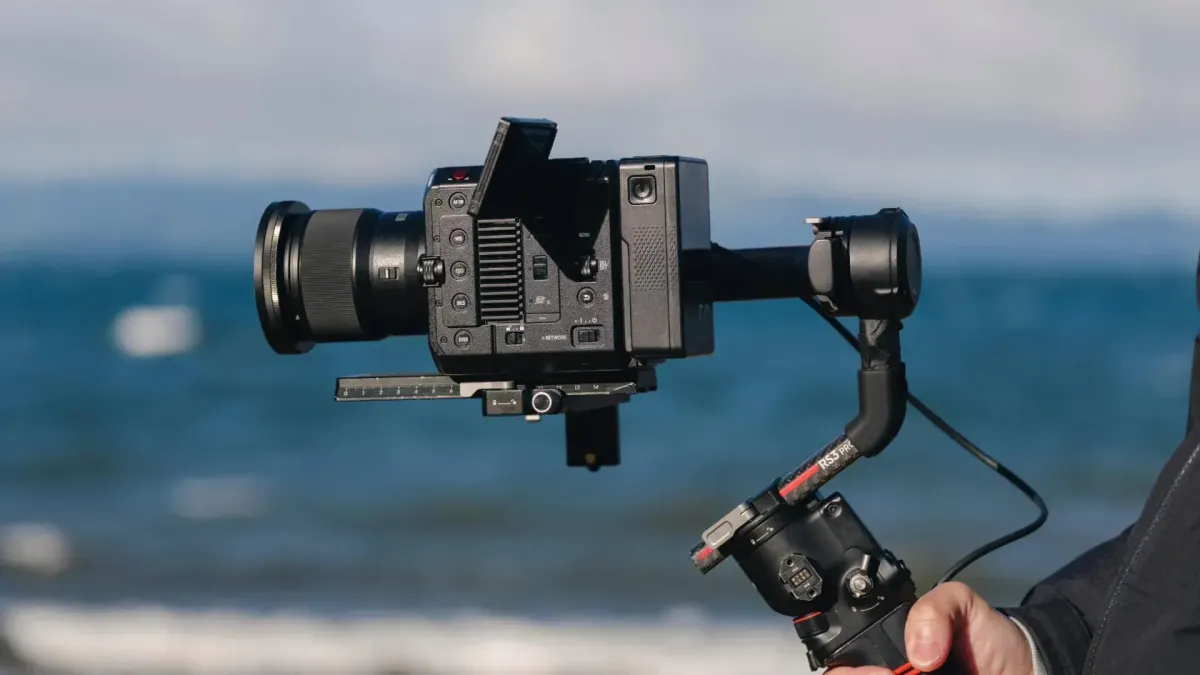
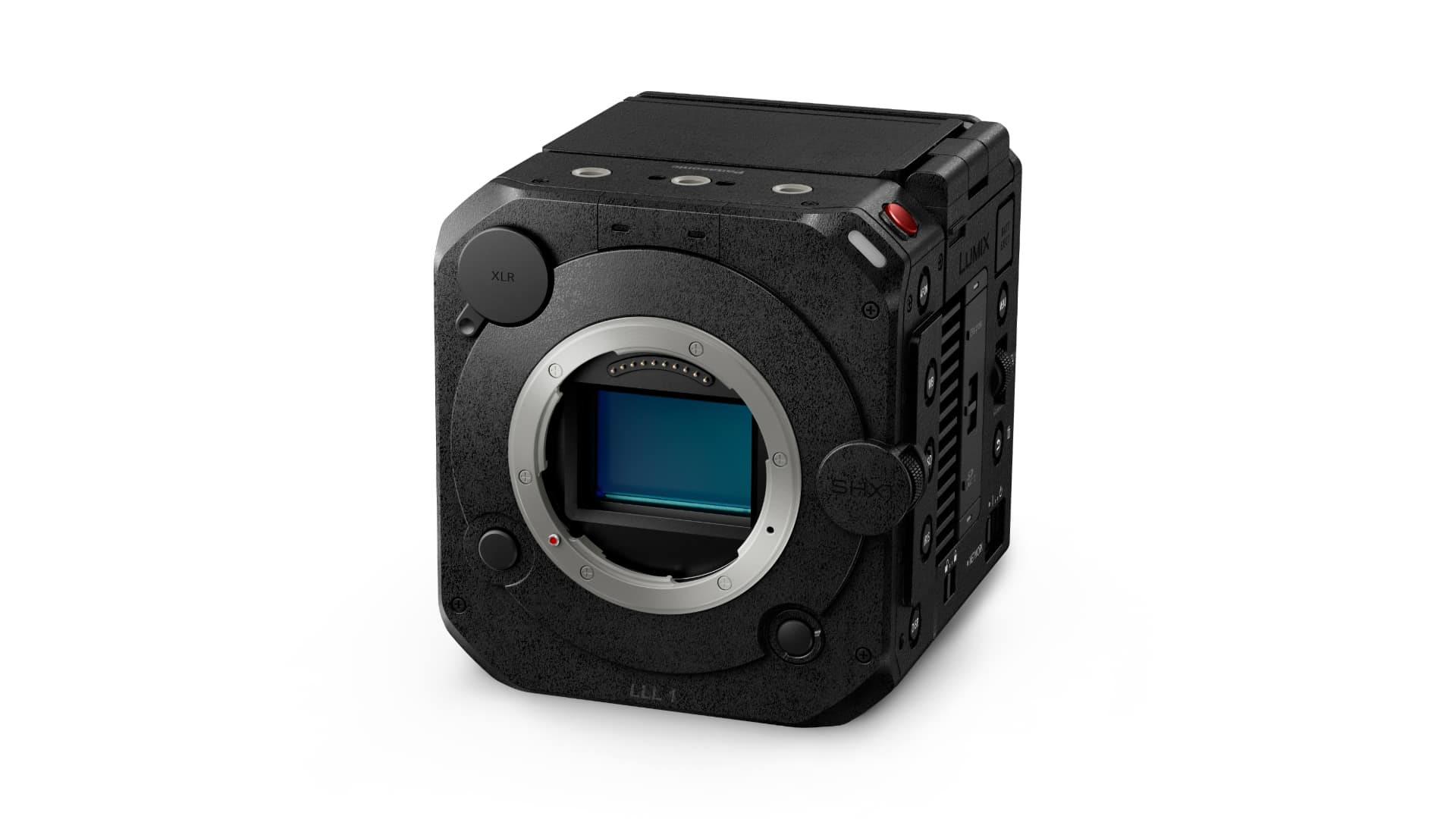
The Lumix SHX1, Panasonic’s new $4,699.99 box-style cinema camera, has no internal ND filter.
Panasonic’s announcement lists the camera’s sensor, recording formats, stabilization and connections, but no built-in ND. For anyone shooting outdoors, that means planning the ND solution before the camera ships.
Panasonic’s own answer is on the roadmap. A firmware update planned for the first half of 2027 adds control of Tilta’s Mirage Variable ND from the Control Grip and Panasonic controllers.
Until then, the options are a drop-in filter adapter, a matte box or screw-on variable ND.
What Panasonic Built Instead
The SHX1 puts its engineering into stabilization and recording flexibility. It has a 5-axis body image stabilizer that works with lenses that lack optical stabilization.
It also offers Dual I.S. 2 at telephoto focal lengths, Active I.S. and electronic stabilization with a cropless mode for wide-angle lenses.
The body weighs about 984g (2.17 lb), without the body cap, and runs on Micro V-mount batteries.
An internal ND wheel would have taken space and weight in a body this size. Hands-on reports say Panasonic chose in-body stabilization over an internal ND, though the company hasn’t explained the decision itself.
Option 1: Drop-In Filter Adapters
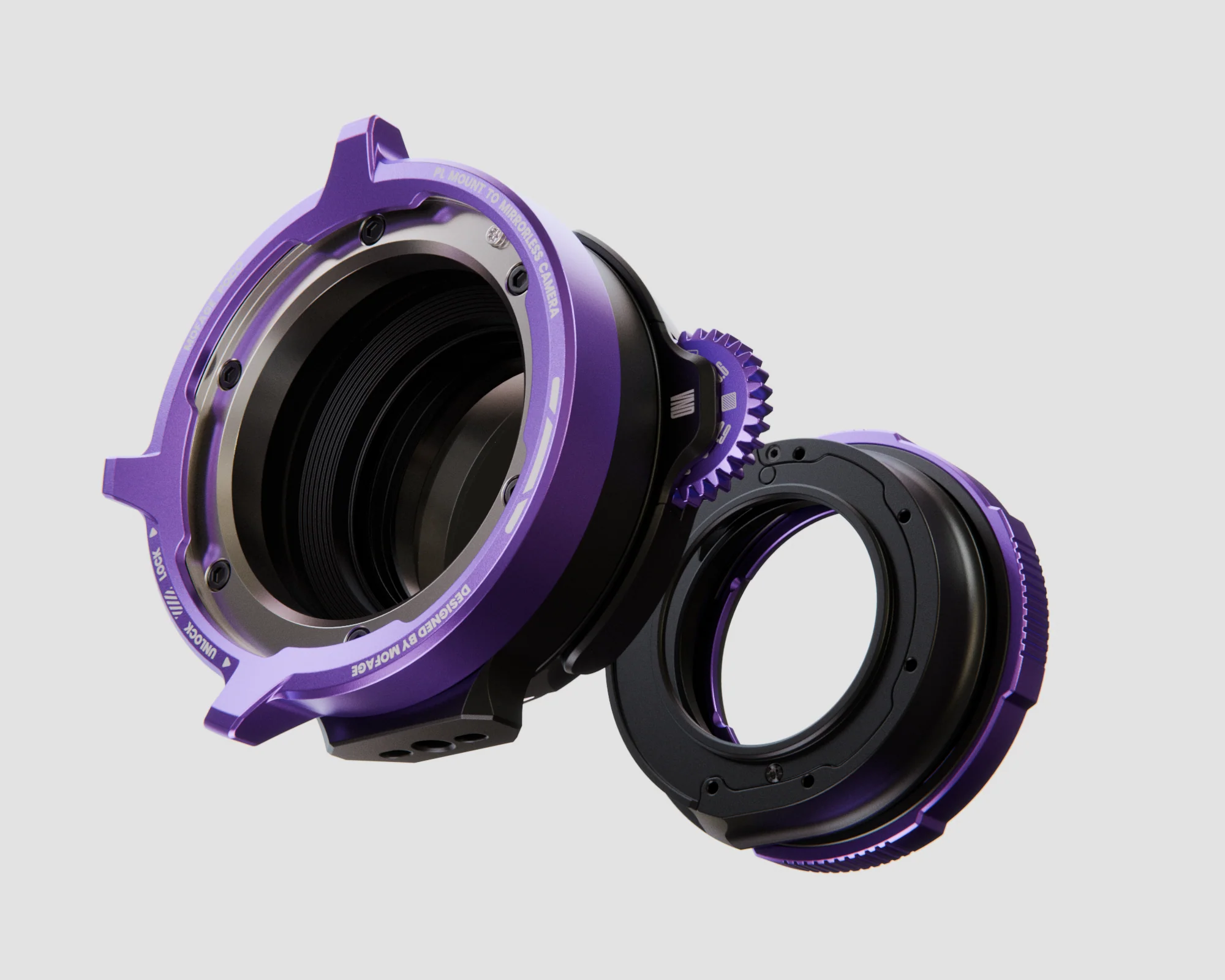
A drop-in adapter sits between the lens and the camera body and creates a slot for filter modules.
MOFAGE’s POCO line is one example. The adapter converts a PL-mount lens to a mirrorless mount, with L-Mount among the mounts supported. The basic kit includes a variable ND and a clear filter, and B&H lists the original PL-to-Leica L kit with a 1 to 8 stop variable ND.
B&H shows that original kit as discontinued, so check availability of the current POCO II.
This route suits PL-mount cine lenses. It doesn’t help with native L-Mount lenses.
Because L-Mount has a 20mm flange distance, there is room for adapters with most lenses.
Option 2: A Matte Box
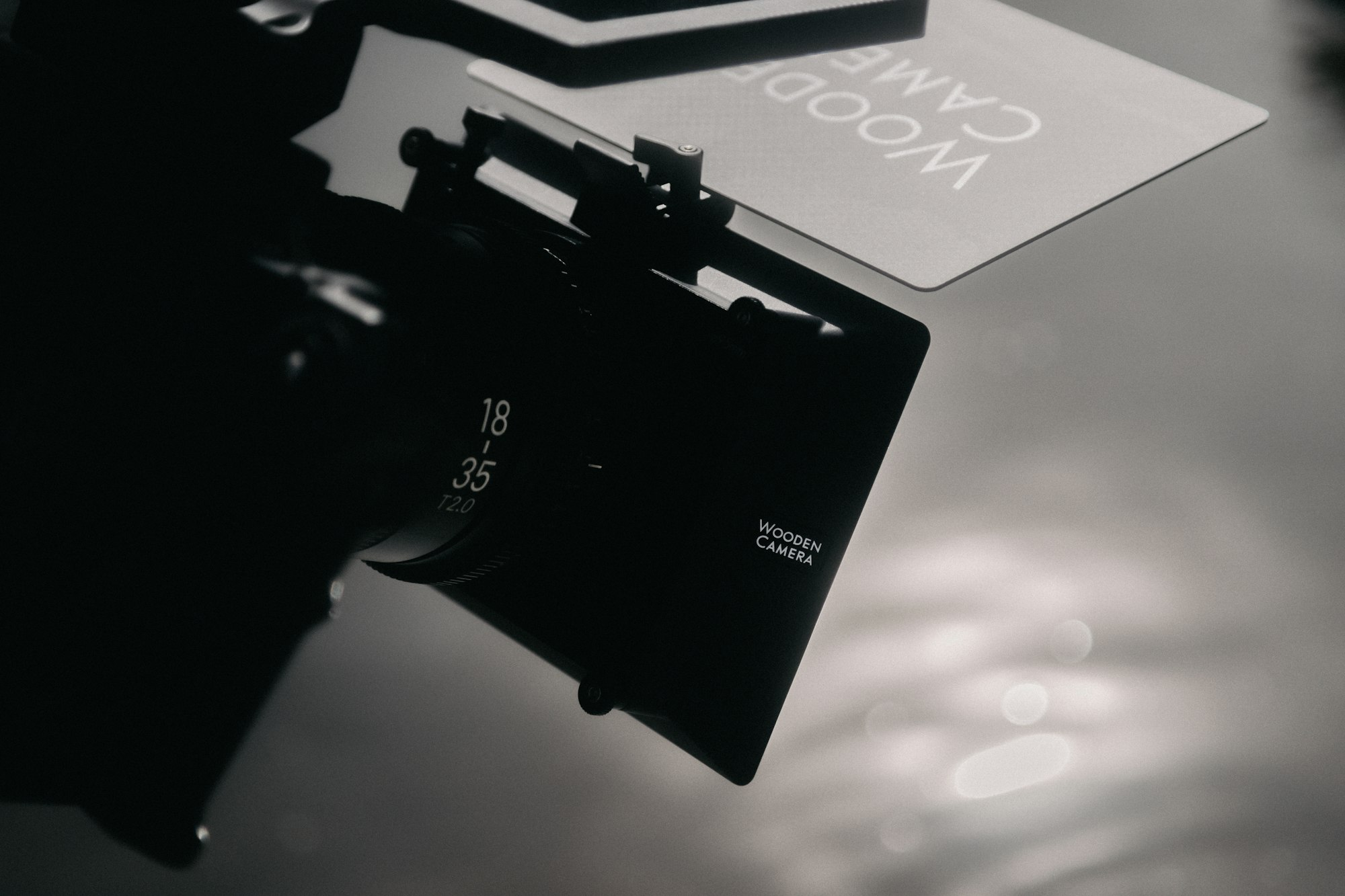
A matte box holds filters in front of the lens and works with any lens that can accept one. It also controls flare.
BRC’s matte box explainer covers when you need one.
The trade-off is size and rigging on a camera built to stay compact.
Option 3: Screw-On Variable ND
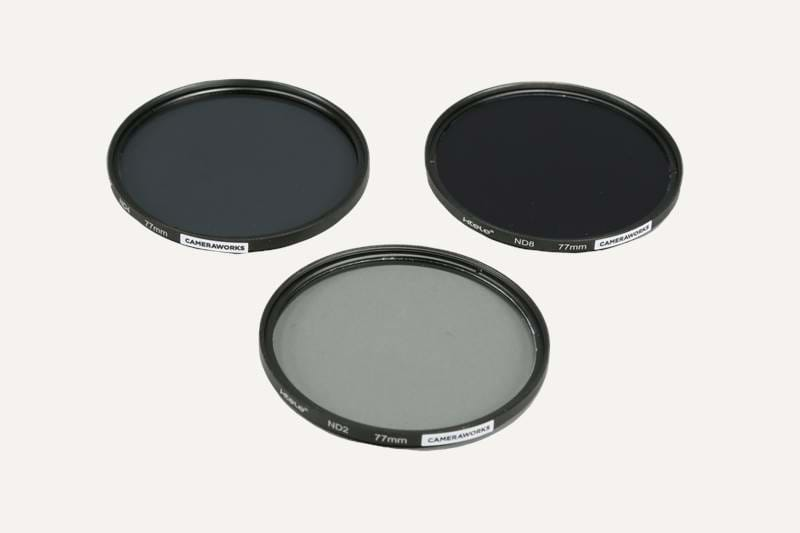
Screw-on variable ND is the simplest approach. Each filter fits one lens thread size, so a set of lenses needs step-up rings or several filters.
BRC covers how many stops of ND you need for video and has looked at NiSi’s True Color VND.
Option 4: Tilta Mirage Variable ND
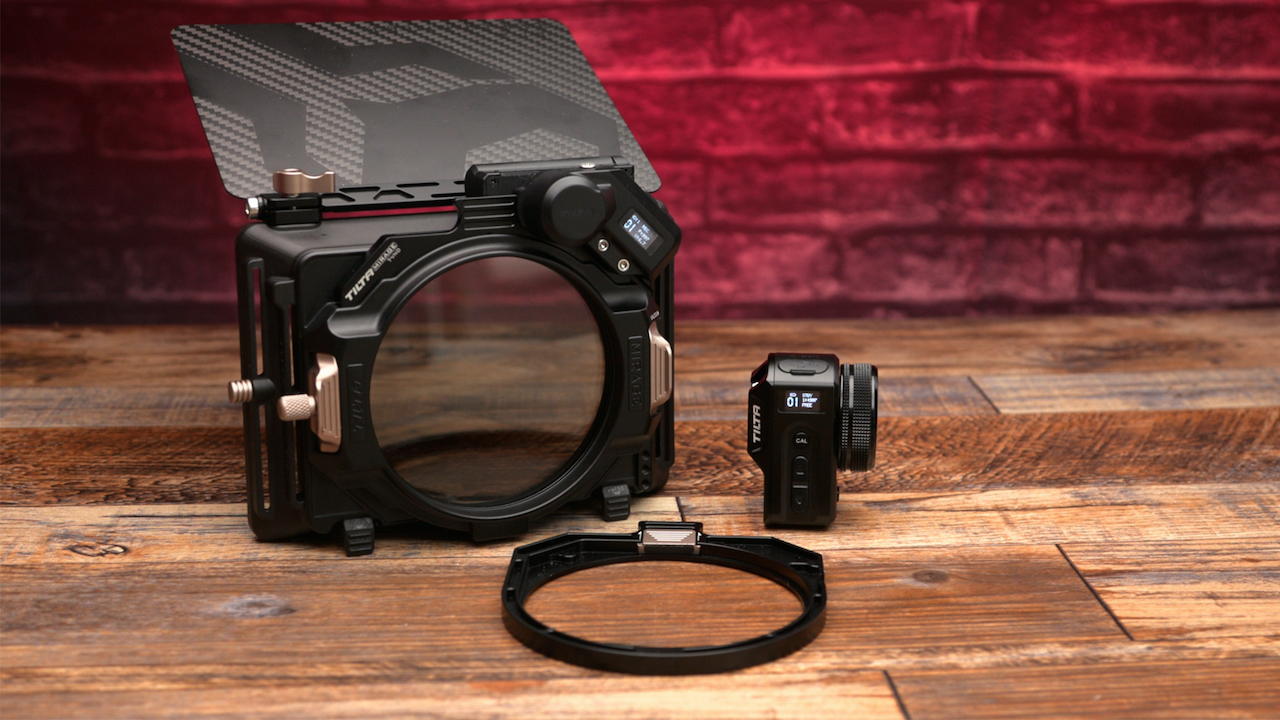
Panasonic’s announcement says the firmware update in the first half of 2027 adds control of the Tilta Mirage Variable ND from the Control Grip and Panasonic controllers.
The setup needs a USB-C connection to the Tilta Nucleus 2.4G Wireless Control Hub (Panasonic).
The same update adds remote focus and iris control of L-Mount lenses from a Tilta hand wheel.
Hands-on coverage mentions Panasonic showing a mock-up of the integration. The firmware isn’t available yet, and the Mirage’s price wasn’t covered in the sources reviewed.
Cages, Rigging and Filters
Rigging choices can get in the way of filter options.
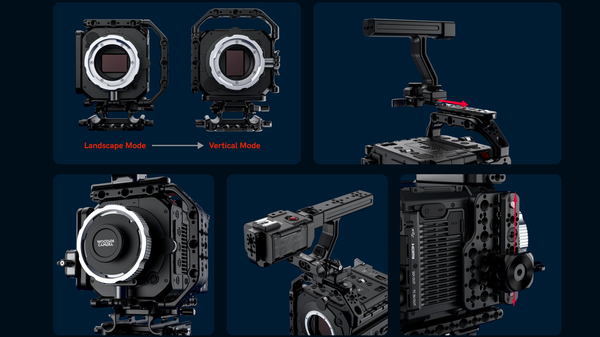
In one cage tested in early hands-on coverage, the right-side piece blocks the Control Grip’s ARRI-standard rosette. It also prevents removing filters from a drop-in adapter.
Wooden Camera has shown a modular cage system with ARCA and NATO mounts, with pre-orders starting in December and pricing not yet announced.
Before buying a cage, check how it fits with the grip, the adapter and the filter you plan to use.
Has Panasonic Worked on Built-In ND?
A 2023 patent application, reported by YMCinema, described a variable built-in electronic ND filter. It used a liquid crystal filter that changes transmittance with voltage, on a rotating disk with a second, fixed glass filter.
The report included no product announcement or specifications, and Panasonic hasn’t announced an internal ND for the SHX1.
Competitive Context
Other cameras in this price range include internal ND. The Canon C80, Canon C70 and Sony FX6 all have it built in.
BRC’s Canon EOS C80 full-frame cinema value article covers the C80, and the best ND filters for the Sony FX5 guide shows how another camera in this class handles ND.
The SHX1’s strengths are elsewhere: internal ProRes RAW, ARRI LogC3 preinstalled next to V-Log, 4K 120p with no time limit and 32-bit float audio. Without internal ND, the camera’s total cost includes whatever filter system you add.
The Signal in the Noise
Which option fits depends on your lenses. A drop-in adapter suits PL-mount cine lenses, while a matte box or screw-on VND works with native lenses.
The Tilta route is the only one Panasonic has announced, and it depends on firmware due in the first half of 2027.
Rigging order matters. Choose the ND method first, then the cage and grip around it.
Would you rather have an internal ND on a camera like this, or do you already own the filters and matte box to cover it?