The Complete Canon EOS C80 Guide: Specs, Buying Guide, and How It Stacks Up
Everything on the Canon EOS C80: full specs, what to budget for, and how it stacks up against four real competitors, including Canon's own lineup.

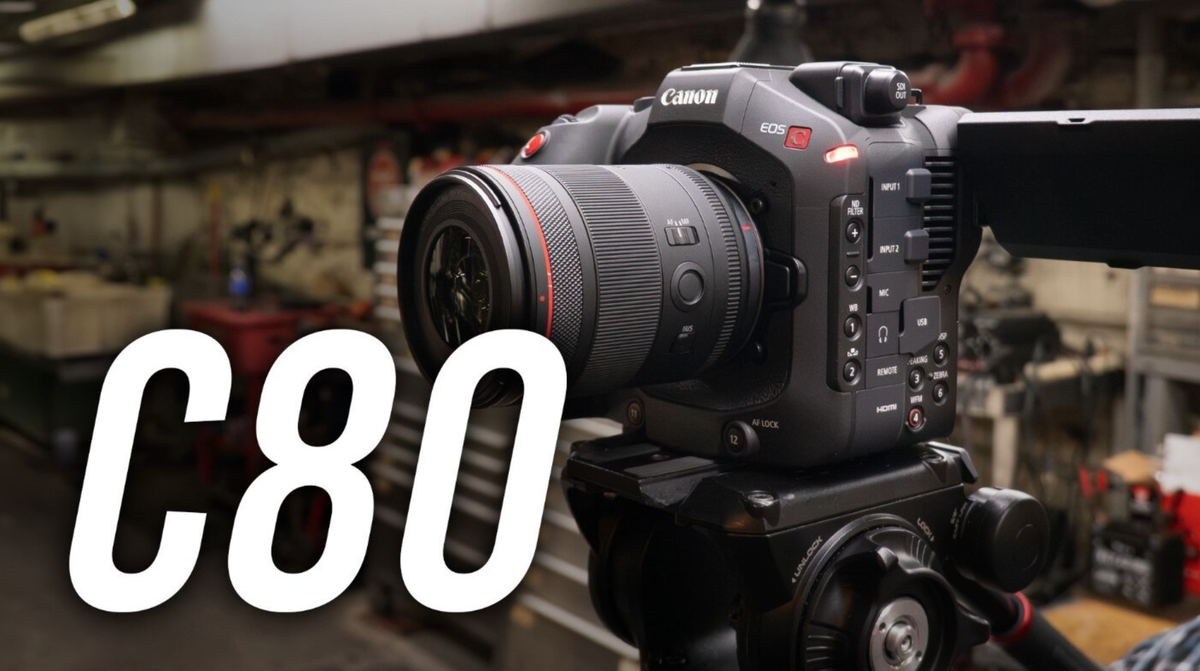
Canon's EOS C80 has been out since late 2024, long enough that it's stopped being news, but research on it has been scattered across eight separate pieces by now. This guide pulls all of it together, organized around the actual decisions a buyer needs to make: whether the camera itself is worth it, what you'll actually need to budget for beyond the body, and whether one of its four closest competitors serves you better.
Is the C80 Actually Worth It?
The core pitch hasn't changed since launch: the C80 shares its exact 6K full-frame back-illuminated stacked sensor with Canon's pricier C400 ($8,000), including the same triple base ISO (800, 3200, 12,800) and up to 16 stops of claimed dynamic range, in a more compact body built around the C70. The tradeoff for that lower price is real but narrow: 6K30 instead of 6K60, and reduced connectivity.
Canon has kept supporting it well past launch too, an August 2026 firmware update added a new Cinema Exposure Mode, a real signal this isn't a one-and-done release. Full breakdown: Canon's C80 Is Still One of the Best Values in Full-Frame Cinema
What You'll Actually Need to Budget For
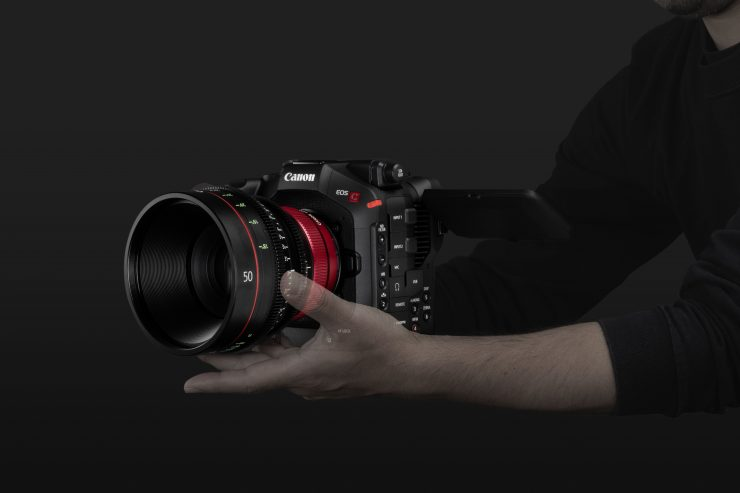
The body price is only the starting point. Three areas make up the real cost of ownership:
Lenses. The C80's RF mount opens up one of the deepest full-frame lens ecosystems available, plus a dedicated Mount Adapter PL-RF with Cooke /i metadata support for anyone who wants to reach into established cinema glass rather than staying inside Canon's own catalog. Full breakdown: The Best Lenses for the Canon EOS C80
Memory cards. This is the one that catches people off guard. The C80 has no CFexpress slots at all, both card slots are SD only, and internal RAW recording requires a V90-rated card. Worth knowing before you buy: testing found that not every officially V90-rated card actually enables RAW recording on this camera, certification and real-world behavior don't always match. Full breakdown: The Best Memory Cards for the Canon EOS C80
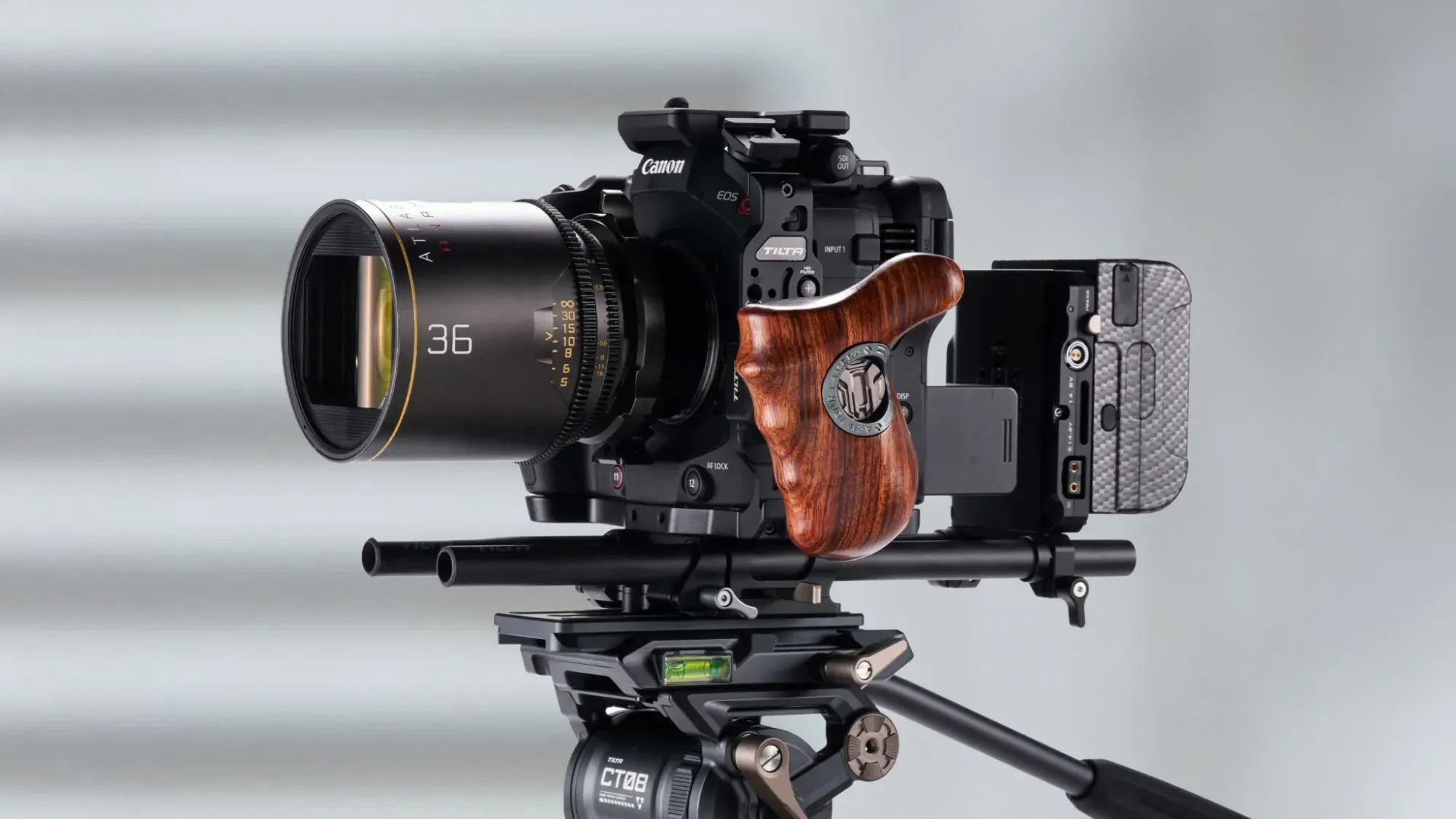
Accessories. The C80 ships with a genuinely usable top handle already, so its accessory ecosystem is additive rather than foundational. Tilta offers three tiered kits (Base, Advanced, and a full Pro Kit with V-mount power), while SmallRig takes the opposite approach with one modular cage that reconfigures between tripod, gimbal, and vertical shooting setups. Full breakdown: The Best Accessories for the Canon EOS C80
Is the C80 the Right Camera, or Should You Buy Something Else?
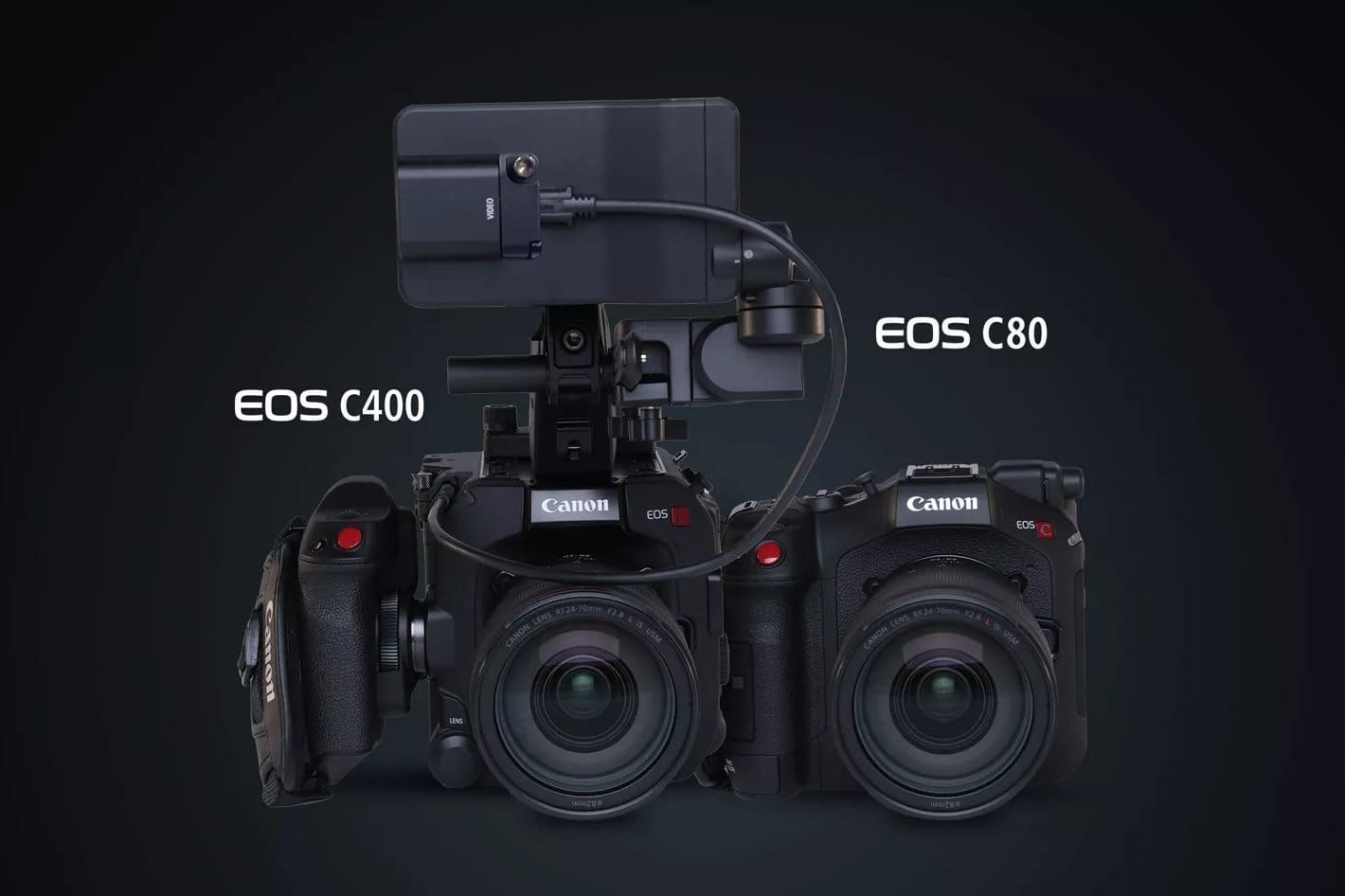
This is the question that actually determines whether the C80 is worth it, because Canon's own lineup and the wider market both offer real alternatives depending on what you actually need.
C80 vs. C400 — Canon's own pricier sibling, sharing the exact same sensor. The $2,500 premium buys 6K60p recording and a CFexpress slot for simultaneous RAW and backup recording, a short, specific list rather than a broad upgrade. Read the full comparison
C80 vs. C70 — Canon's cheaper sibling, and the real question is whether full-frame and the newer Dual Pixel CMOS AF II generation are worth the step up from Super 35mm. At current sale pricing, the gap between them is sometimes under $1,000. Read the full comparison
C80 vs. Sony FX5 — the closest price match of the group, within a few hundred dollars depending on configuration. This one comes down to ecosystem and RAW format more than value: Canon's Cinema RAW Light and cheaper SD-only media against Sony's X-OCN and CFexpress Type A cards. Read the full comparison
C80 vs. Blackmagic PYXIS 6K — the clearest budget alternative, at nearly $2,500 less. The tradeoff is familiar by now: Canon's mature, ready-to-shoot autofocus against Blackmagic's RAW-native workflow, lower price, and fully modular body that needs real accessories just to become usable. Read the full comparison
The Signal in the Noise
Across all four comparisons, a consistent pattern shows up: the C80 rarely wins on pure spec-for-dollar value against Blackmagic's PYXIS 6K, and even against Canon's own C70, the value gap is closer than the spec sheet suggests. What the C80 actually sells is Canon's autofocus reliability and RF lens ecosystem, plus a body that's ready to shoot the moment you unbox it, no accessory purchases required just to make it usable.
If you're choosing purely on specs and price, at least one competitor in this guide likely beats it. If ecosystem, autofocus you can trust, or existing Canon lens investment matter more to you, the C80's case holds up.
Which matters more to your decision: winning the spec sheet, or the ecosystem and reliability you're already invested in?
The Details
- Canon EOS C80: ~$5,500, launched September 2024
- Sensor: 6K full-frame BSI stacked CMOS, shared with the C400
- Recording: internal 12-bit Cinema RAW Light up to 6K30, dual SD card slots only (V90 required for RAW)
- Dynamic range: up to 16 stops claimed; triple base ISO (800/3200/12,800)
- Autofocus: Dual Pixel CMOS AF II
- Closest competitors by price: Blackmagic PYXIS 6K (~$2,500 less), Sony FX5 (within a few hundred dollars), Canon C70 (sometimes under $1,000 less), Canon C400 (~$2,500 more)
Resources & Reads
- Canon's C80 Is Still One of the Best Values in Full-Frame Cinema
- The Best Lenses for the Canon EOS C80
- The Best Memory Cards for the Canon EOS C80
- The Best Accessories for the Canon EOS C80
- Canon C80 vs. C400: What $2,500 More Actually Buys
- Canon C80 vs. C70: Is Full-Frame Worth the Jump?
- C80 or FX5: The Real Difference Isn't Price, It's Ecosystem
- Canon C80 vs. Blackmagic PYXIS 6K: The Same Tradeoff, Different Brands