lighting
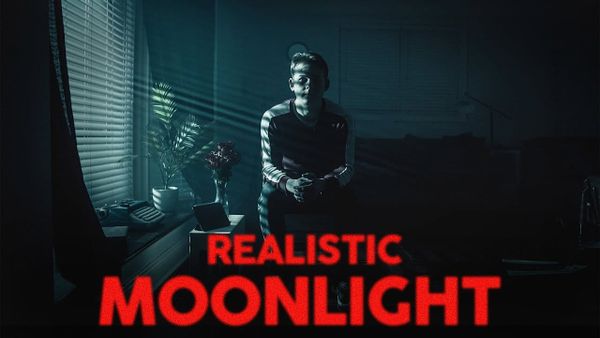
Why Fake Moonlight Looks Fake — and How to Actually Get It Right
Fake moonlight fails because it uses soft blue light. Real moonlight is hard, directional, and blue-green for physiological reasons. Here's the physics and the gel recipe.
lighting
Fake moonlight fails because it uses soft blue light. Real moonlight is hard, directional, and blue-green for physiological reasons. Here's the physics and the gel recipe.
lighting
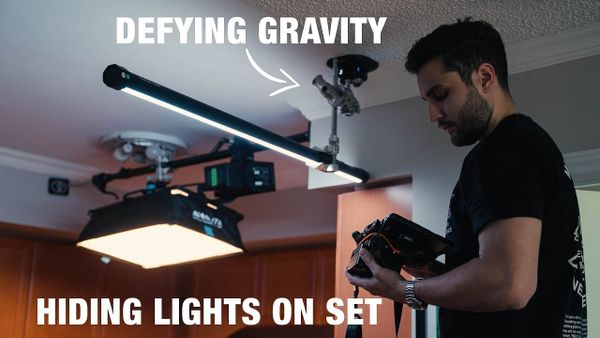
Filmmaker Mark Bone's four techniques for lighting a scene without visible gear: controllable LED practicals, window punching, overhead rigging, and hand-bombing. Here's how each works and when to use it.
nanlux
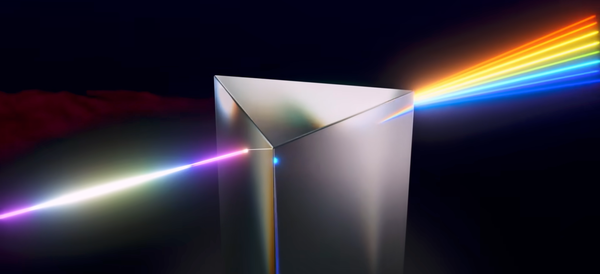
NANLUX built two separate light engines, one for maximum white output, one for color flexibility, instead of one that tries to do both. Here's the actual engineering logic behind the split.
led volume
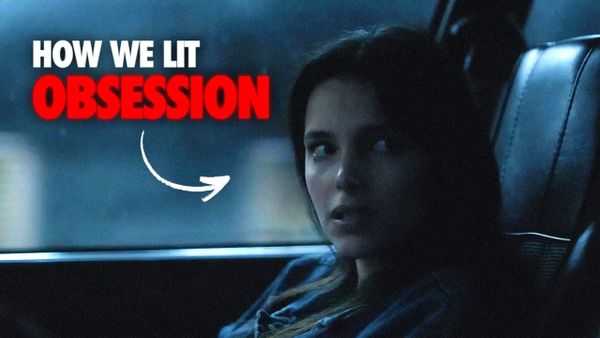
Gaffer Christopher Oh and lighting programmer Bicher Barmada break down how they lit the indie film Obsession on an LED volume using manual console busking instead of a media server pipeline.
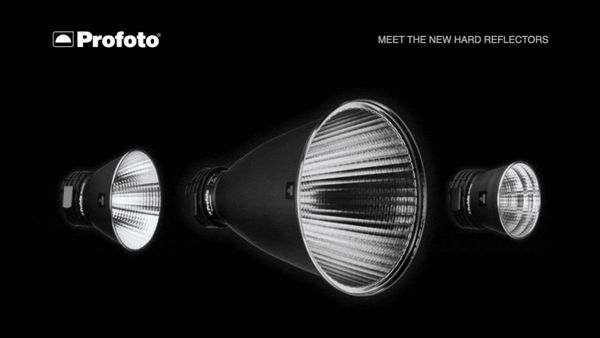
profoto
Profoto just expanded its hard reflector lineup with three new options — PowerBeam, MaxiZoom, and MiniZoom — covering tight long-throw beams to compact location setups. Here's how they differ.
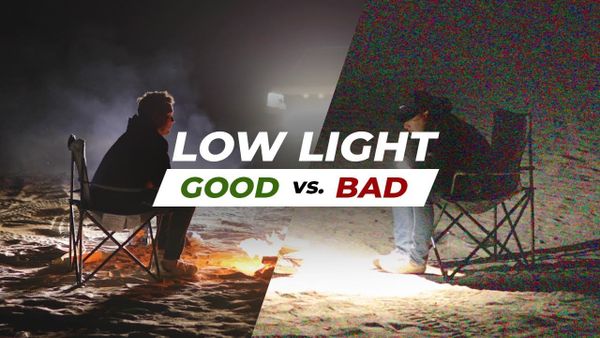
lighting
Available light doesn't have to look cheap. Here's how to find, shape, and work with existing light sources to produce images that look considered and intentional.
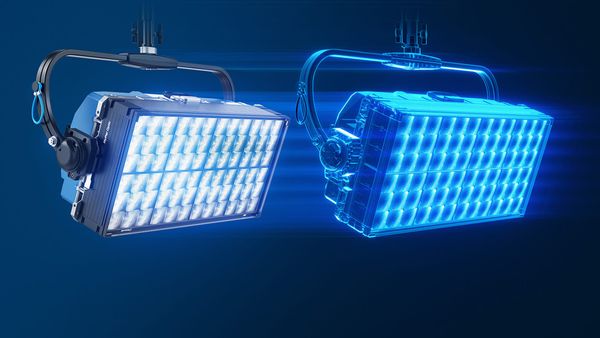
Action Camera
ARRI's LUKA plugin lets you test real ARRI lighting and camera setups in Unreal Engine before you ever step on set. Here's what it does and who it's actually for.
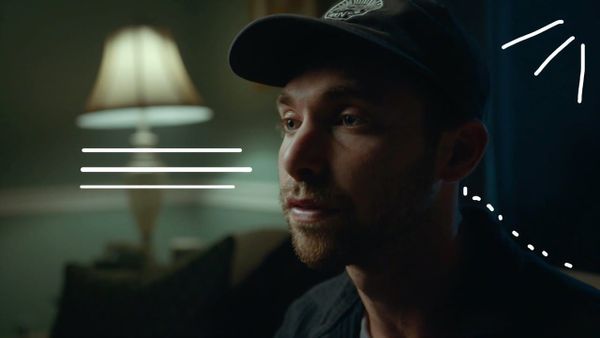
lighting
One light, placed and modified correctly, can produce images that hold up against anything a six-light setup delivers. Here's how to make it work.